
Top Exercises After Knee Replacement: A Simple Guide for Easy Recovery

Top Exercises After Knee Replacement: A Simple Guide for Easy Recovery
Getting a new knee replacement is a step toward living pain-free, but surgery is only the beginning. Physiotherapy plays a crucial role in helping you move, walk, and bend with ease after your knee replacement. This blog provides a simple guide to knee replacement recovery, highlighting the best exercises, when to perform them, and tips on staying safe throughout your recovery.
Why Exercise Is Important After Knee Surgery
Getting a new knee is like replacing a broken part on a toy or bike with a new one. But even new parts need help to work well. That help comes from moving, stretching and building your muscles.
When you do your knee replacement exercises, you:
- Keep your knee from getting too stiff
- Make your leg strong again
- Walk and play without pain
- Feel better faster
You need to move your new knee every day. That helps you heal the right way.
Knee replacement physiotherapy helps your knee bend, straighten and carry you around without pain. It stops the knee from getting tight. It also allows the muscles around your knee to grow stronger so they can hold your body up when you walk or stand. You’ll be able to go back to doing everyday things like climbing stairs or walking in the park.
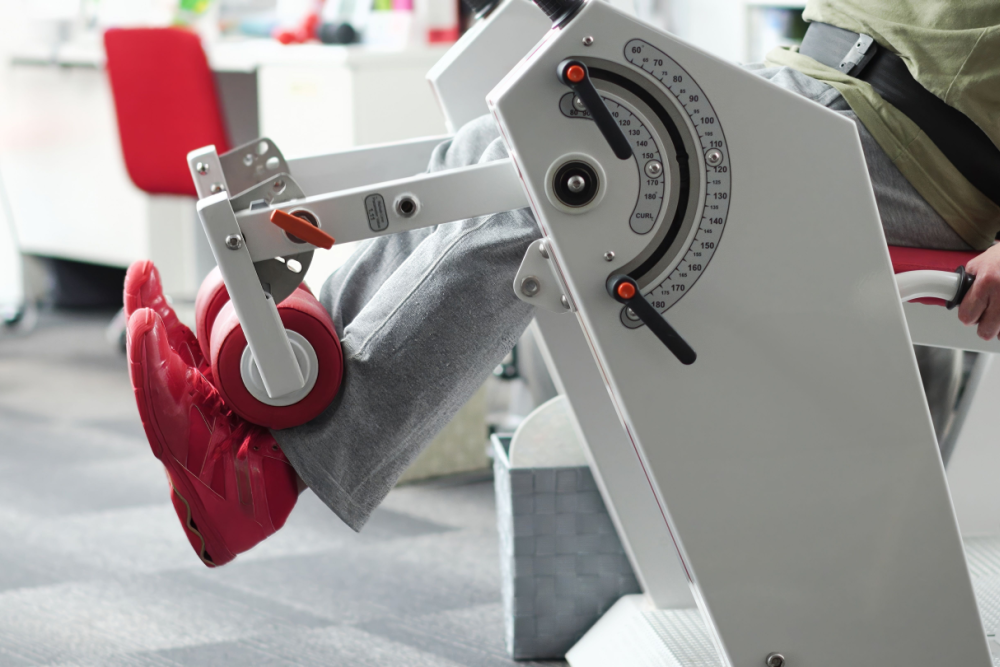
Timeline for Healing After Knee Surgery
Healing after knee surgery happens step by step, like climbing a ladder. Each step helps your knee get stronger and more flexible, which includes:
Phase 1: 0–2 Weeks
During the first two weeks after your knee replacement, focus on rest, reducing swelling, and gently moving your knee.
Use a walker or crutches for support, and begin with small movements like ankle pumps and heel slides. These exercises promote blood circulation and help prevent your knee from becoming stiff.
Phase 2: 2–6 Weeks
Now it’s time to focus on building strength and improving your knee’s range of motion. Try seated knee bends, leg raises, and gradually increase your walking distance. Your knee may still hurt a little, but don’t give up—progress will come with persistence!
Phase 3: 6–12 Weeks
As you gain strength, it's time to challenge yourself with more advanced exercises, like using resistance bands or riding a stationary bike. You may find you no longer need your walker.
Phase 4: 3–6 Months
You’re almost there. In this final phase, you’ll start returning to everyday activities like walking outdoors or swimming. Keep moving daily and listen to your body.
Post-knee replacement physiotherapy takes patience and effort, but with consistent steps, you’ll regain strength and confidence in your movement.
Top Exercises to Try After Knee Surgery
Your post-surgery exercises work like a team—each one plays a different role in helping your knee heal. Together, they build strength, improve flexibility, and support your full recovery.

1. Early Moves
Start with light moves that wake up your muscles:
- Ankle Pumps: Point your toes up and down to help blood flow.
- Heel Slides: Slide your heel toward your bottom to make your knee bend.
- Leg Raises: Lie flat and lift your straight leg up. This wakes up your thigh muscles.
These moves are simple but very important.
2. Strength and Balance Moves
When you feel stronger, add:
- Quadriceps Sets: Push your knee down while lying flat.
- Seated Knee Bends: Sit and slide your foot back to bend the knee.
- Step-Ups: Step on and off a low stair to train your balance.
3. Advanced Moves
When your therapist says it’s okay, try:
- Resistance Band Work: Pull and push your leg with a stretchy band.
- Stationary Bike: Pedal slowly to move your knee.
- Walk on Soft Ground: Try grass or carpet to improve balance.
How Long Will Therapy Take?
Healing after knee replacement takes time and patience—just like growing a flower. Most people need around 8 to 12 weeks of physiotherapy, though some may take up to 6 months, and that’s perfectly normal.
At first, you’ll notice small improvements, like bending your knee more easily or feeling stronger. Then one day, you’ll achieve something big—like walking without support or climbing stairs without pain.
Keep doing your exercises even when you start to feel better. If you feel overly tired or uncomfortable, speak with your therapist so they can adjust your plan. Everyone heals at their own pace, so take it one step at a time.
What Mistakes Should We Watch Out For?
Anyone can make mistakes but knowing what to avoid after knee surgery can help you recover more smoothly:
- Skipping Your Therapy: Skipping therapy sessions or home exercises can slow your recovery. Your knee needs consistent effort to heal well.
- Doing Too Much, Too Fast: If you push too hard, your knee may swell, hurt or get stiff. Slow and steady gives the better result.
- Using the Wrong Posture: If you stand or sit wrong, your knee might not learn the right way to move. Always ask your therapist to show you the best position.
- Stopping Your Walker Too Soon: Your walker or cane helps keep you safe, so continue using it until your therapist advises otherwise. By following your physiotherapy plan, you make your recovery safer, smoother, and more effective.
Doing Your Knee Exercises at Home
Home is a great place to move, stretch, and build strength after knee replacement. Most people do their physiotherapy at home once a therapist has shown them how. You can perform the exercises on your bed, in a chair, or even on a step in the hallway.
Doing post knee replacement physiotherapy at home helps you stay comfortable and practice more often. But guidance is still important. Ask your therapist to teach you the correct way to move, and follow their advice closely.
If your knee feels tired or you’re unsure about an exercise, don’t try to guess. Contact your therapist or visit your clinic to stay safe and on track.
How to Choose the Right Therapist in Singapore
Picking the right physiotherapist is like choosing a coach—you want someone who helps you feel strong, safe and supported. After knee surgery, your leg needs smart, careful training. That’s why you need a good therapist who understands knee physiotherapy.
Start by finding someone who works with knee patients often. These therapists know what exercises to use and when to change them. Ask your doctor or nurse for names. You can also look at big hospitals or private clinics that focus on bones and joints.
Check if the therapist is registered with MOH (Ministry of Health). That means they are trained and trusted. Read reviews or ask other patients what they liked about the therapist.
When you meet your therapist, ask:
- Have you helped people with knee replacements?
- Will you make a plan just for me?
- Can I call or ask questions later?
A good therapist will listen, watch how you move and cheer you on. Some even come to your home. So take your time, ask questions, and pick someone who helps you feel ready to move again.

Conclusion
Recovering from knee replacement surgery takes time, patience and the right exercises. With daily movement, proper guidance and consistent effort, you’ll regain strength, flexibility and confidence step by step. Remember, doing the exercises correctly and avoiding common mistakes makes your recovery smoother and safer. Whether you're starting therapy or deep into your rehab journey, keep going.
At Heartland Rehab, your recovery is our priority. Our expert physiotherapists provide personalised care to help you regain strength and move with confidence.
Frequently Asked Questions (FAQs)
1. What happens if I skip my therapy?
If you skip your therapy, your knee might get stiff. It can also get weak. That means walking, sitting and even sleeping might hurt more. Therapy helps you heal the right way — don’t skip it!
2. When can I walk without a walker or cane?
Most people start walking without help after 4 to 6 weeks. But don’t rush! Your therapist will let you know when you’re ready.
3. Is pain normal during exercises?
A little soreness is okay. That means your muscles are working. But if you feel sharp pain or swelling then stop your exercise. Tell your therapist. They’ll help you move things down.
4. Can I drive after surgery?
You may drive again after 6 to 8 weeks, but only if your doctor says it’s safe. You need to bend your knee, press the pedals and react quickly.